.svg)
.svg)
EU Pay Transparency Directive: Three sentences your hiring managers can't say after June 7th
.jpg)
Introduction
Four weeks from now, a hiring manager at your company opens a screening call and asks the question they've asked for years. From 7 June 2026, that question is illegal in every EU member state under the EU Pay Transparency Directive.
The scripts your hiring managers need on Monday 8 June are harder to find than the legal memos. That matters when Mercer's 2026 transparency survey puts only 9% of European employers in the "full strategy in place" category. The hiring managers in the other 91% are about to keep saying things they shouldn't, unless someone on the TA team gives them the new lines.
This post has three sentences your hiring managers can't say after 7 June, the replacements, and the two new sentences they'll need to add. Most of the people running TA across the European tech hiring market are doing this work right now.
What changes for hiring managers on 7 June 2026
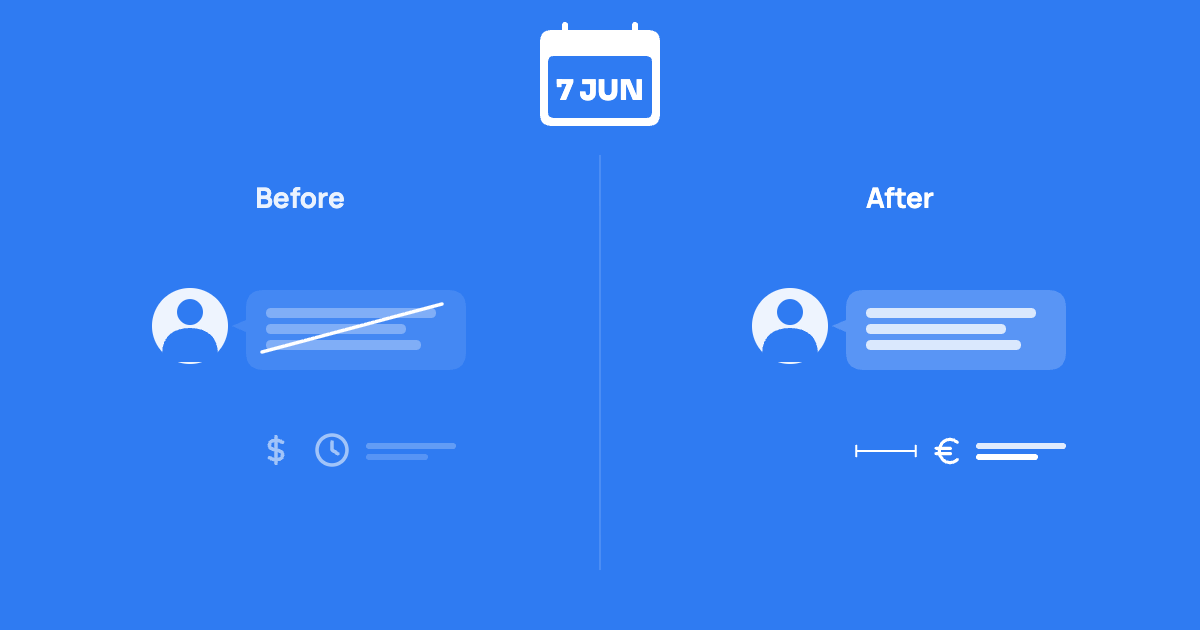
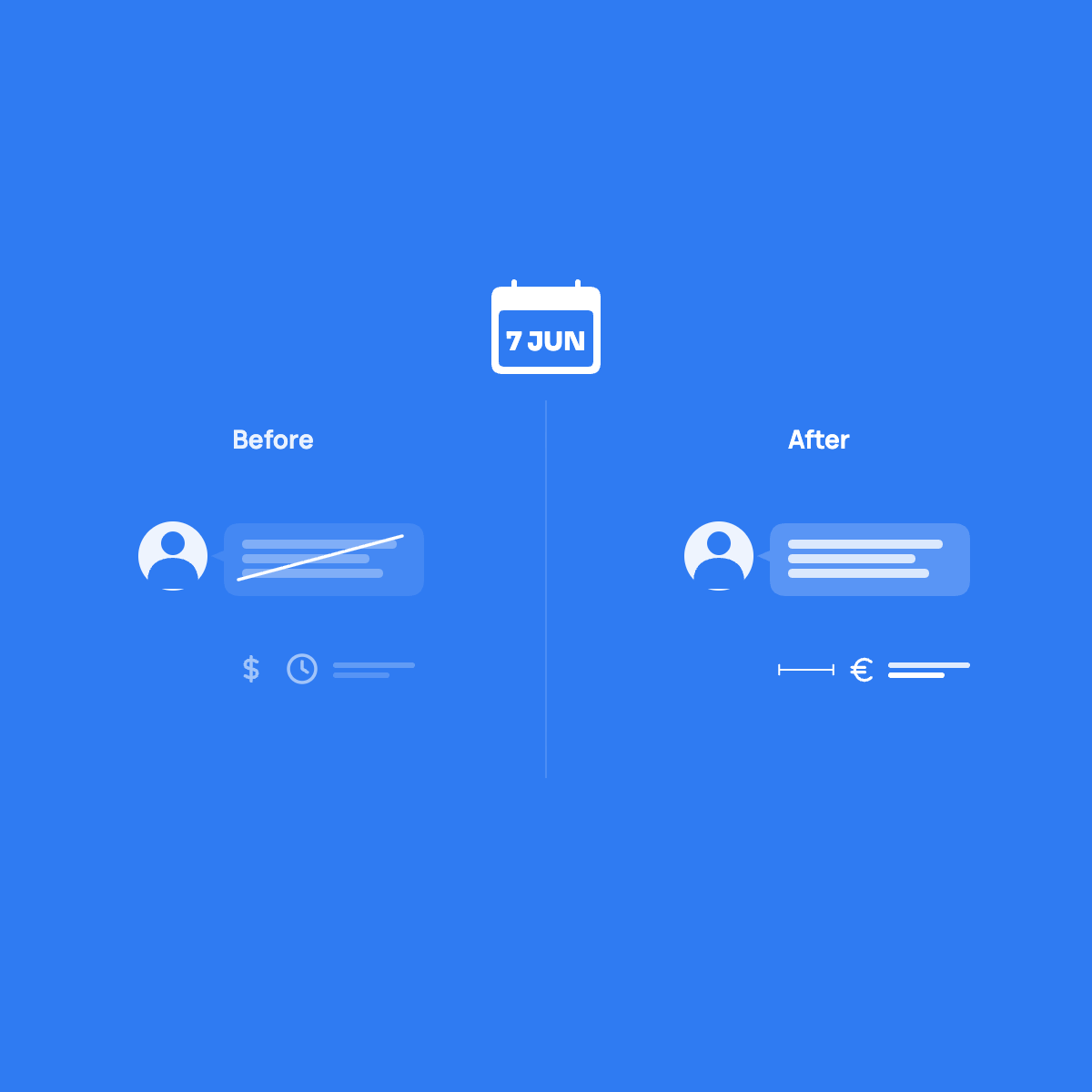
From 7 June 2026, every EU employer must give candidates the pay range for a role either in the job advertisement or in writing before the interview. Asking candidates about their current or previous pay becomes illegal across every EU member state.
This is Article 5 of Directive 2023/970. It applies to every employer of every size, and it covers external recruiters and AI screening tools, which means your sourcing partner and your ATS vendor can't ask the banned questions on your behalf either.
Country-level transposition is uneven. Pinsent Masons' member-state tracker shows that most countries will have national laws in force on 7 June and a small number will arrive slightly after. The directive's rules apply to candidates from the deadline either way.
"What's your current salary?" and why it's being removed
This is the question hiring managers have asked for decades. It ties the offer to the candidate's existing salary, which is what the directive bans. Article 5(2) prohibits any employer, recruiter, or screening tool from asking about pay history, and the rationale is that setting new offers off past salary keeps the gender pay gap moving across a candidate's career.
The replacement is shorter than the original. Disclose your range first, then ask what the candidate is looking for inside it. A version that works:
"The range for this role is between [X] and [Y]. We set it based on the level we're hiring at and our internal pay structure. What's your expectation in that range?"
That gives the candidate the information they have a right to under Article 5, and it gives your hiring manager an anchor to negotiate against that isn't the candidate's last salary.
"We can't discuss salary until later in the process"
This one is harder to retire because most hiring managers defer for a reason. They want to find out if the candidate is a good fit before locking into a range, or to keep flexibility on the offer if the candidate turns out to be exceptional.
Article 5(1) closes those moves. The pay range has to be in the vacancy notice or shared in writing before the interview. Strategic deferral isn't an option after 7 June.
The replacement, in the first 60 seconds of the screening call:
"Before we start, the range for this role is between [X] and [Y]. Does that work for the conversation we're about to have?"
Putting it at the top of the call is practical. Candidates out of range find out before everyone wastes 30 minutes. Candidates in range know what they're negotiating against from the start. The directive treats range disclosure as a candidate right, so the earlier the better.
"Your last salary will help us calibrate the offer"
This is the soft version of the banned pay history question, and it falls under the same Article 5(2) prohibition. Asking what the candidate earned anywhere previously is prohibited whether framed as calibration, market context, or expectation setting.
Hiring managers default to this version when they've been coached out of the blunt one. The candidate-friendly framing doesn't change the legal position: Freshfields' summary of applicants' rights confirms the prohibition applies regardless of how the question is phrased.
The replacement is what you should have been doing already. Calibrate against your internal pay structure and the level the role sits at, then disclose the range:
"We've calibrated this role at the senior level in our pay structure, which is between [X] and [Y]. Where in that range would you want to be?"
The two sentences your hiring managers will need to add
Your hiring managers will also need two sentences they aren't currently saying. The first is the pay range disclosure inside the first 60 seconds of the screening call. The second is the "how we set pay" answer, which candidates will start asking now that ranges are visible in every European job ad.
The range disclosure sentence:
"The range for this role is between [X] and [Y]. We're hiring at the [level] level, which is where this range sits in our pay structure."
The "how we set pay" sentence is the one most hiring managers aren't ready for. Recruiters at pan-European employers like Wolt are already getting the question on the first call. A version that works:
"We set ranges by benchmarking against market data for each level and adjusting for the country the role is based in. Our structure has [X] levels, and most roles are advertised at the level the team is hiring into."
That's specific enough to answer the question and aligned with Article 5(1)'s requirement that pay-setting be based on objective gender-neutral criteria.
Conclusion
June 7th is in three weeks. The directive's job is to close the pay gap. The TA function's job is to make sure your hiring managers don't trip over the new rules in the first conversation they have with every candidate from that date.
Forward this post to your hiring managers this week and save the scripts somewhere your interviewer training pack will reach them. The two new sentences belong in your screening call rubric.
If your team doesn't have the capacity to run the briefing properly before the deadline, check what your TA function should be sized for. Embedded recruiters who already work this way inside European tech teams are running the retraining alongside their existing pipelines, which is one way to close the gap fast without growing headcount.
FAQ
When does the EU Pay Transparency Directive come into force?
The directive's pay information rules apply to candidates from 7 June 2026, the transposition deadline for every EU member state. National laws are in place in most countries on that date and a small number will arrive slightly later. Either way, the directive's obligations apply to your hiring from 7 June.
Do I have to put the salary range in the job ad, or can I share it before the interview?
Either is allowed under Article 5(1). The range can sit in the vacancy notice or be shared in writing before the interview. Most European employers are moving range disclosure into the job ad itself because it cuts down on early-stage misalignment and removes the operational risk of forgetting the pre-interview disclosure.
Can hiring managers ask about salary expectations under the EU Pay Transparency Directive?
Yes. Asking what the candidate wants to earn is allowed. Article 5(2) only prohibits asking what the candidate currently or previously earned. The simplest compliant approach is to disclose your range first, then ask where in that range the candidate wants to land.
Does the EU Pay Transparency Directive apply to companies outside the EU hiring for EU roles?
Yes. If the role is based in an EU member state, the directive's pay information rules apply, regardless of where the hiring company is headquartered. UK-headquartered companies hiring for Berlin or Amsterdam roles are bound by the directive on those roles.
What happens if a hiring manager keeps asking the banned questions after 7 June?
Treat it as a workflow problem. The fix is script-based: rewrite the screening rubric, run a short training session, and pair newer hiring managers with a TA partner on their first two calls after the deadline. Most teams catch the slips inside the first month.
You Might Enjoy
.svg)



.svg)


.svg)






.svg)
.svg)
.svg)
.svg)


Check our FAQs
.svg)