.svg)
.svg)

Why embedded recruiting wins in 2026 for enterprise talent teams

Enterprise hiring in 2026 is not about doing more recruiting. It is about doing better recruiting.
If you lead talent acquisition in an enterprise, you are expected to increase hiring reliability while the inputs are getting noisier. Headcount governance is tighter, stakeholder groups are larger, and global hiring adds complexity to leveling, compensation, and compliance. Quality of hire has become the defining priority for talent leaders, and the question is no longer "How do we hire more?" It is "Which operating model helps us hire better, faster, and with less waste?"
That is why embedded recruiting is gaining share.
What embedded recruiting means in practice
Embedded recruiting places recruiters inside your workflow: your tools, your cadence, your stakeholder reality, and your hiring standards. They work as an extension of your talent team and are accountable to outcomes, not submissions.
This model works best for enterprise teams with multi-stakeholder hiring, plans that shift across quarters, and roles where signal integrity matters more than volume.
Why it is winning
When hiring plans tighten, "good enough" becomes expensive. A mis-hire is not just replacement cost — it directly affects your quality of hire. It is lost momentum, stakeholder confidence, and downstream attrition risk. Embedded recruiters accumulate context that transactional partners rarely get: what success looks like in your environment, which competencies correlate with performance, and where the interview process produces false positives.
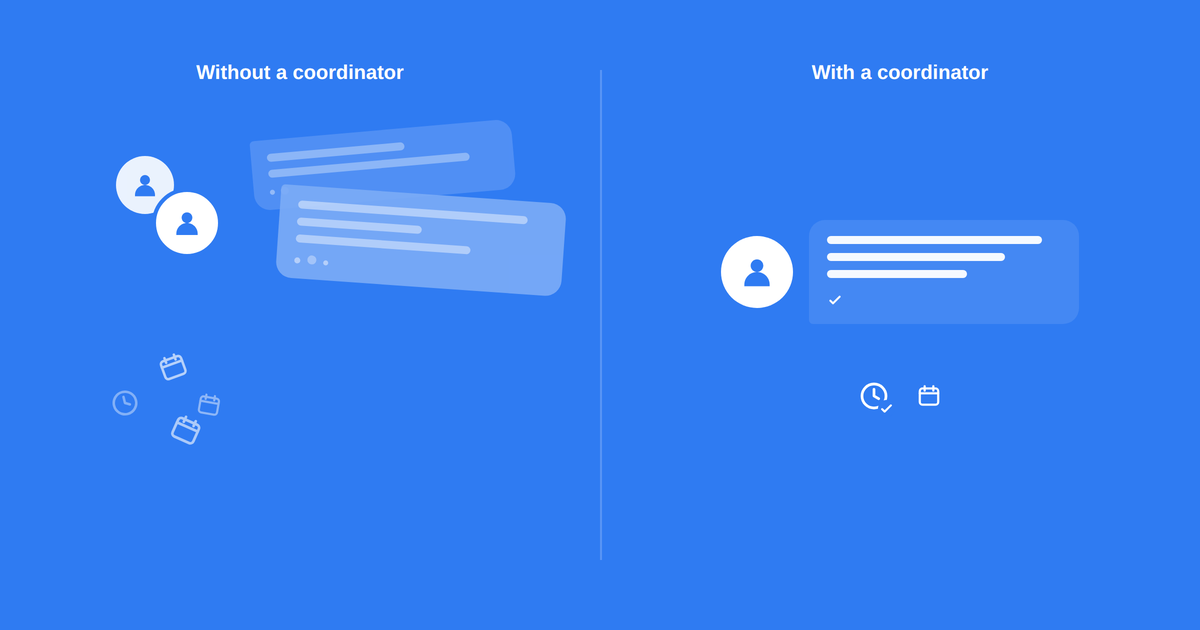
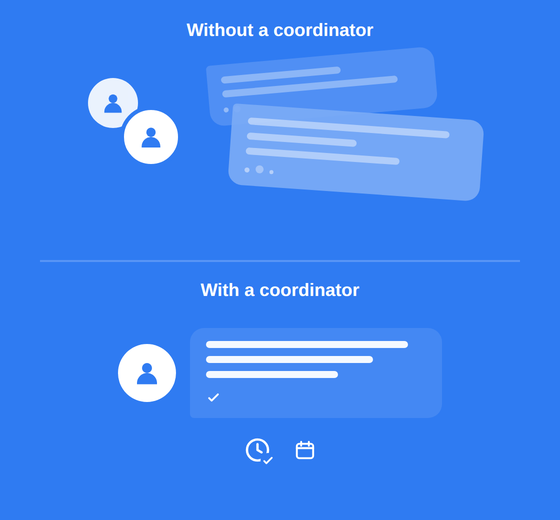
Many enterprise teams do not lose time because they cannot find candidates. They lose time because the organisation cannot decide consistently. Requirements drift mid-search, stakeholders optimise for different things, and feedback arrives late or in conflicting formats. Meanwhile, persistent hiring friction like too few qualified applicants and candidate ghosting keeps roles open longer. Embedded recruiting reduces that drag by putting a recruiter inside the decision system, running a weekly cadence that forces clarity early.
AI is also changing the equation. Candidate trust in AI-driven evaluation remains low, and concerns about fabricated profiles are rising. An embedded recruiter can implement consistent validation and documentation standards without slowing hiring to a crawl. Governance becomes operational, not theoretical.
How it compares to RPO and agencies
Embedded recruiting, RPO, and contingency agencies can all be effective, but they optimise for different realities. See our full comparison pages for a detailed breakdown. Embedded recruiting fits best when you need tight integration with hiring managers and fast calibration. RPO works well for high-volume hiring or standardised roles where service levels and process coverage matter most. Contingency agencies provide quick access to niche networks or support on urgent roles, though candidate experience can vary.
The simplest way to choose is to match the model to your constraints: decision complexity, governance requirements, and how often priorities shift.
Getting started
You get the most value from embedded recruiting when it runs as an operating model, not rented labour. Start by defining success profiles that hiring managers trust, translating roles into outcomes, competencies, and dealbreakers. Establish weekly hiring sprints with visible progress, fast feedback loops, and clear decisions. Track conversion rates by stage, time-in-stage, and candidate experience signals.
Once those pieces are in place, embedded support compounds quickly because it improves both delivery and the system that delivery runs through. Check our pricing to see how engagements are structured, and review our case studies to see this in practice.
The bottom line
Embedded recruiting is winning in 2026 because it matches enterprise reality. Alignment and decision velocity are the constraint. Quality of hire is the priority. AI makes trust and governance operational requirements. And capacity must flex without breaking process.
If you want to explore this model, start by mapping your bottlenecks by stage, defining success profiles for your top job families, and implementing a weekly sprint cadence with scorecards and feedback SLAs. Talk to us to get started.
FAQ
What is embedded recruiting?
Embedded recruiting integrates recruiters into your team's workflow so they can drive hiring outcomes while strengthening the recruiting system over time.
Is embedded recruiting the same as RPO?
Not always. RPO can be embedded, but it is often programme-led and SLA-driven. Embedded recruiting typically operates closer to your team's day-to-day decision system.
How does embedded recruiting improve quality of hire?
It strengthens success profiles and scorecards, reduces misalignment, and improves signal integrity so decisions are more consistent and outcomes more reliable.
Does embedded recruiting work for global hiring?
Yes. It helps standardise decision quality while adapting execution to local market realities.
You Might Enjoy


.jpg)
.svg)

.svg)






.svg)
.svg)

.svg)
.svg)


Check our FAQs
.svg)